
Residential, off-grid or industrial
Not all solar installations are designed the same way. What changes the project isn't the panel: it's who consumes, when, and from where. Here are the three modalities we cover at AUREQIS.
 01
01 Residential installation
The most common option in urban and rural homes with normal power supply. The panels reduce your grid consumption during the day and offset the surplus you don't use.
How it works
- Panels + inverter connected to your home's distribution board.
- Surplus sent to the grid with bill compensation.
- No mandatory batteries.
- Typical savings: 30 – 70 % of your electricity bill.
Who it's for
Detached homes and villas with grid supply. Terraced houses, flats with their own roof and rural homes with grid power.
 02
02 Off-grid residential installation
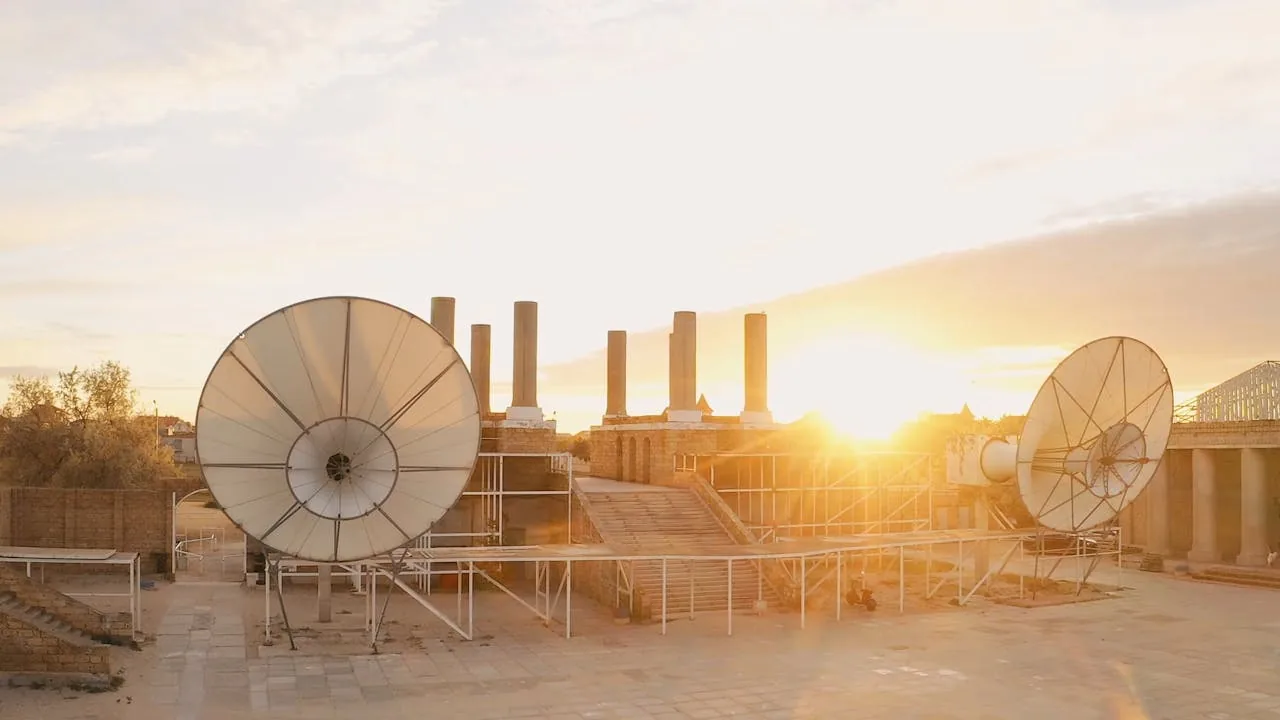
For homes without grid access: rustic estates, country houses, mountain refuges. Here batteries are not optional: they are the heart of the system, because they store the energy you produce during the day to use it at night.
How it works
- Panels + charge controller + battery bank + inverter.
- Optional diesel/LPG backup generator for long cloudy stretches.
- Sizing aimed at real 24/7 autonomy.
- Total independence: zero electricity bill.
Who it's for
Rustic estates, mountain homes, refuges, Andalusian alpujarras or rural farmhouses without a nearby connection. Households that want to cut ties permanently with the retailer.
 03
03 Industrial installation
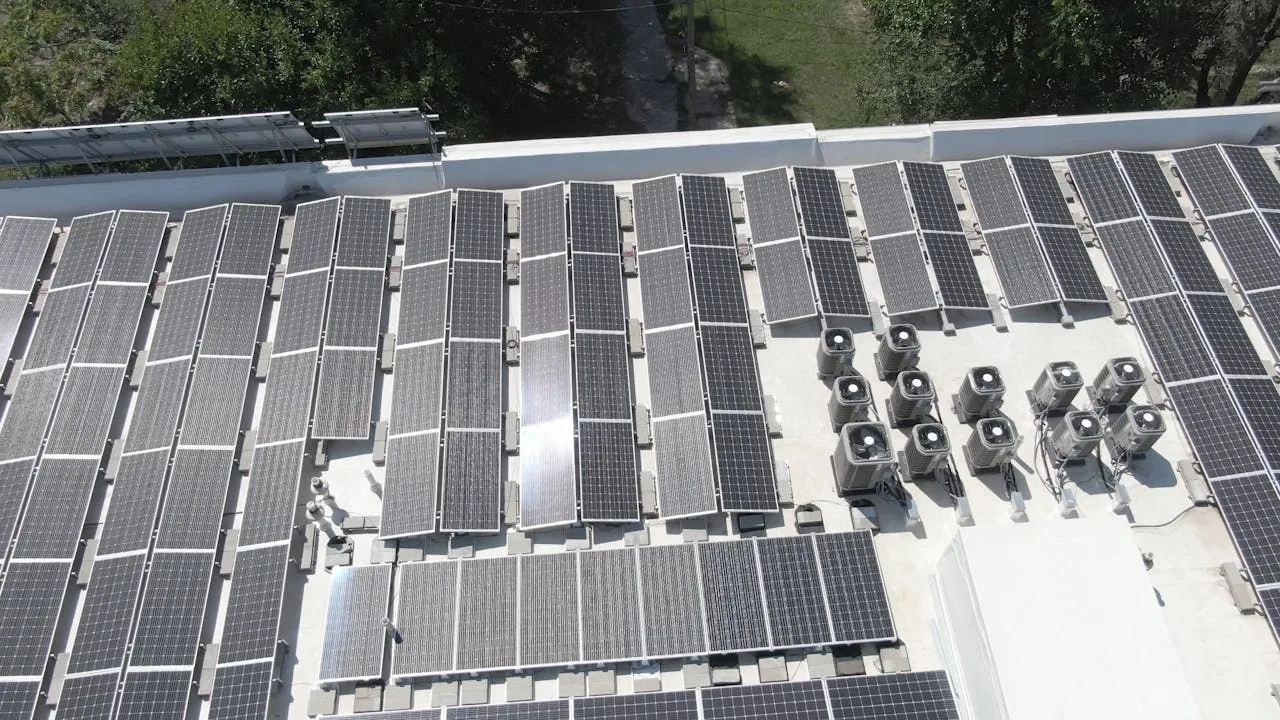
High-power systems (10 – 500 kWp) optimised for intensive daytime consumption. For industry, logistics and retail the ROI accelerates because demand matches solar production. And one operational bonus: during micro-outages or grid drops, the plant supports essential loads and avoids halting operations.
How it works
- Coplanar or ballasted structures for large roofs.
- Three-phase industrial inverters with per-plant monitoring.
- Grid injection or zero-surplus self-consumption per contract.
- Reduction of reactive power peaks (better power factor and fewer billing penalties).
- Integrates with power backup and industrial heat pumps.
Who it's for
Logistics warehouses, agro-industry, CNC shops, wineries, hotels, residences, big-box retail and entire industrial parks.
At a glance, which one fits you
| Residential | Off-grid | Industrial | |
|---|---|---|---|
| Needs the grid | Yes | No | Yes |
| Mandatory batteries | No | Yes | Optional |
| Typical power | 2 – 10 kWp | 3 – 15 kWp + batteries | 10 – 500 kWp |
| Surplus compensation | Yes | — | Configurable |
| Typical savings | 30 – 70 % | 100 % (off-grid) | 50 – 80 % |
| Fits AUREQIS leasing | ✓ | ✓ | ✓ |
Not sure which one is your case?
No commitment: we analyse your situation and tell you which type fits best.