
Solar panels outright or via renting: when each one fits (no marketing)
The two real ways to switch to solar self-consumption — direct purchase and PV renting — compared with numbers, typical cases, and the honest decision based on your profile.
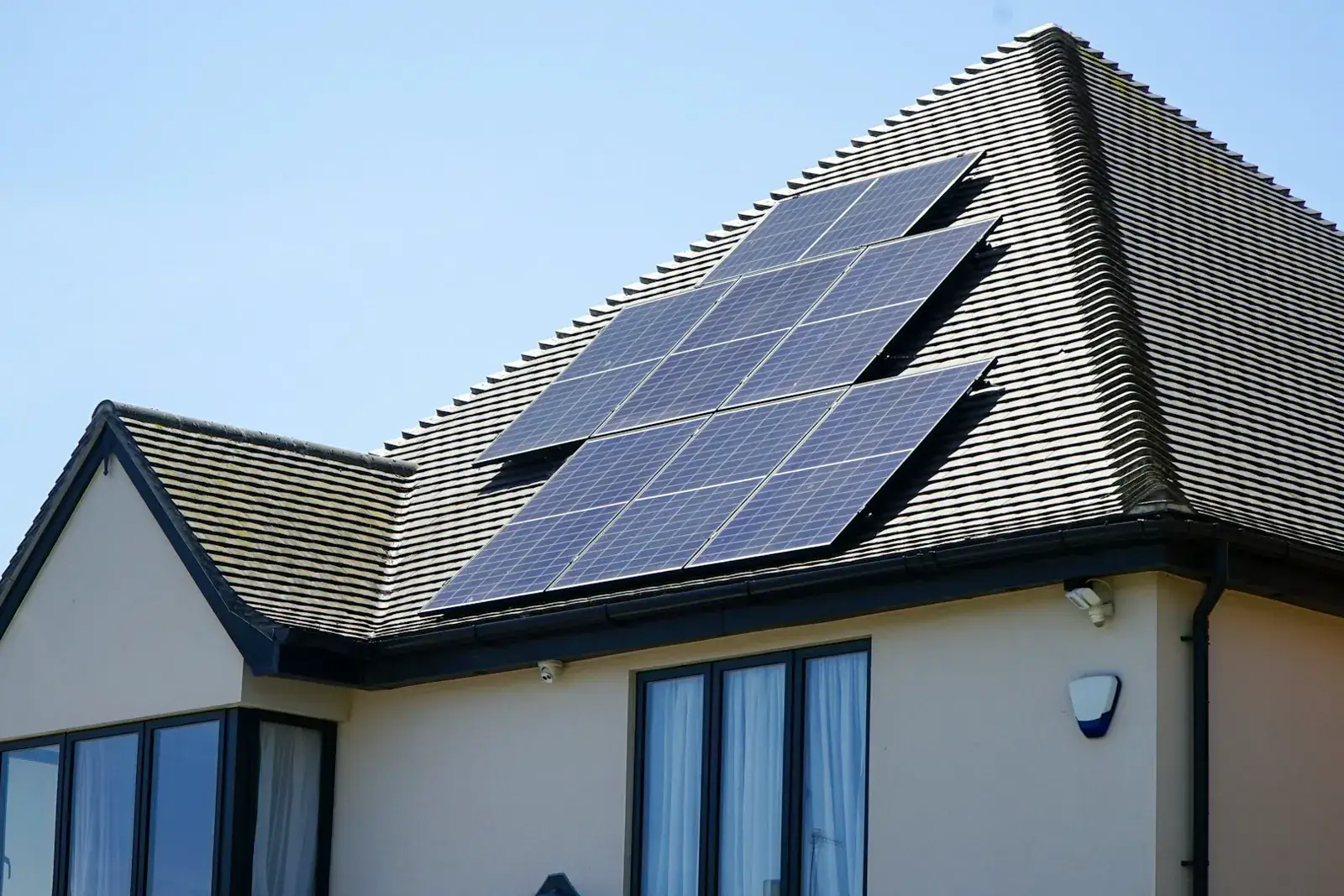
Before getting into a solar installation, the first decision isn’t which panel or which inverter — it’s how you pay for it. Today in Spain you have two real modalities: outright purchase (or financed via traditional bank loan) and PV renting. Both reach the same technical result, but the financial, accounting and risk balance is very different.
At AUREQIS we do both modalities: we are installers and we also offer renting. Without forcing one over the other.
Outright purchase: the good, the bad and what almost no one tells you
The good:
- The system is yours from day one. Asset on your balance sheet (business) or personal patrimony.
- Accelerated accounting amortisation for businesses.
- No 10-20 year contract with a service provider.
- After year 7-10, once the investment is recovered, all energy is practically free for the remaining 15-20 years.
- Access to direct subsidies (RD 477/2021, regional aid, IRPF deduction) that often only go to the owner.
The bad:
- Initial outlay between €4,500 (small residential) and €200,000 (mid-size industrial), or more.
- If you finance with a loan: eats into your CIRBE and credit lines.
- Maintenance and breakdowns on you: if the inverter fails at year 7, you pay for replacement.
- Paperwork and legalisation you handle yourself.
- Typical payback: 6-10 years residential, 5-8 years SME.
What almost no one tells you: real profitability depends on variables you don’t control — kWh price, surplus offsetting conditions, regulatory evolution, inverter durability.
PV renting: the good, the bad and the nuances
The good:
- €0 upfront, no guarantees, no CIRBE impact.
- Fixed monthly fee for 10, 15 or 20 years → savings from month 1.
- Maintenance, insurance and breakdowns included throughout the contract.
- For business, 100 % tax-deductible fee as operating expense.
- Does not count in CIRBE.
- At the end of the contract, the system becomes yours.
The bad:
- You pay somewhat more in absolute terms summing all fees vs buying outright (typical premium 15-30 % over technical cost).
- Ties you to a provider for the contract duration.
- Direct public subsidies are usually requested by the asset owner.
How to choose by your real case
Typical home (single-family, 5 kWp)
- Renting: if you rent, have high mortgage, prefer not to decapitalise savings.
- Outright: if you have spare liquidity and prefer to recoup investment in 7-10 years.
SME and retail (10-50 kWp)
- Renting: if your margin is tight, you need liquidity for working capital, want OPEX (100 % deductible) instead of CAPEX.
- Outright: if you have excess cash, want to grow asset on balance.
Industry (100 kWp - several MW)
- Renting: for large industries with intensive credit line usage.
- Outright: when IDAE/Next Generation aid requires direct ownership.
Homeowner association
- Renting: almost always. Avoids special levies.
- Outright: only with significant reserve fund.
Off-grid
- Outright: renting has little room here.
What we honestly recommend
We don’t have a preferred modality — we sell both. The question we ask: do you prefer paying more to offload risk and management, or paying less assuming maintenance and uncertainty for the next quarter century?
If you tell us your case, we’ll tell you which one we’d pick in your place — without pushing a sale. Request your free study. 48 h, no commitment, both modalities.