
What happens to the solar plant at the end of the leasing contract
The question almost everyone asks before signing and almost no one answers clearly. The real options, what the contract says, and the sensible choice for your case.
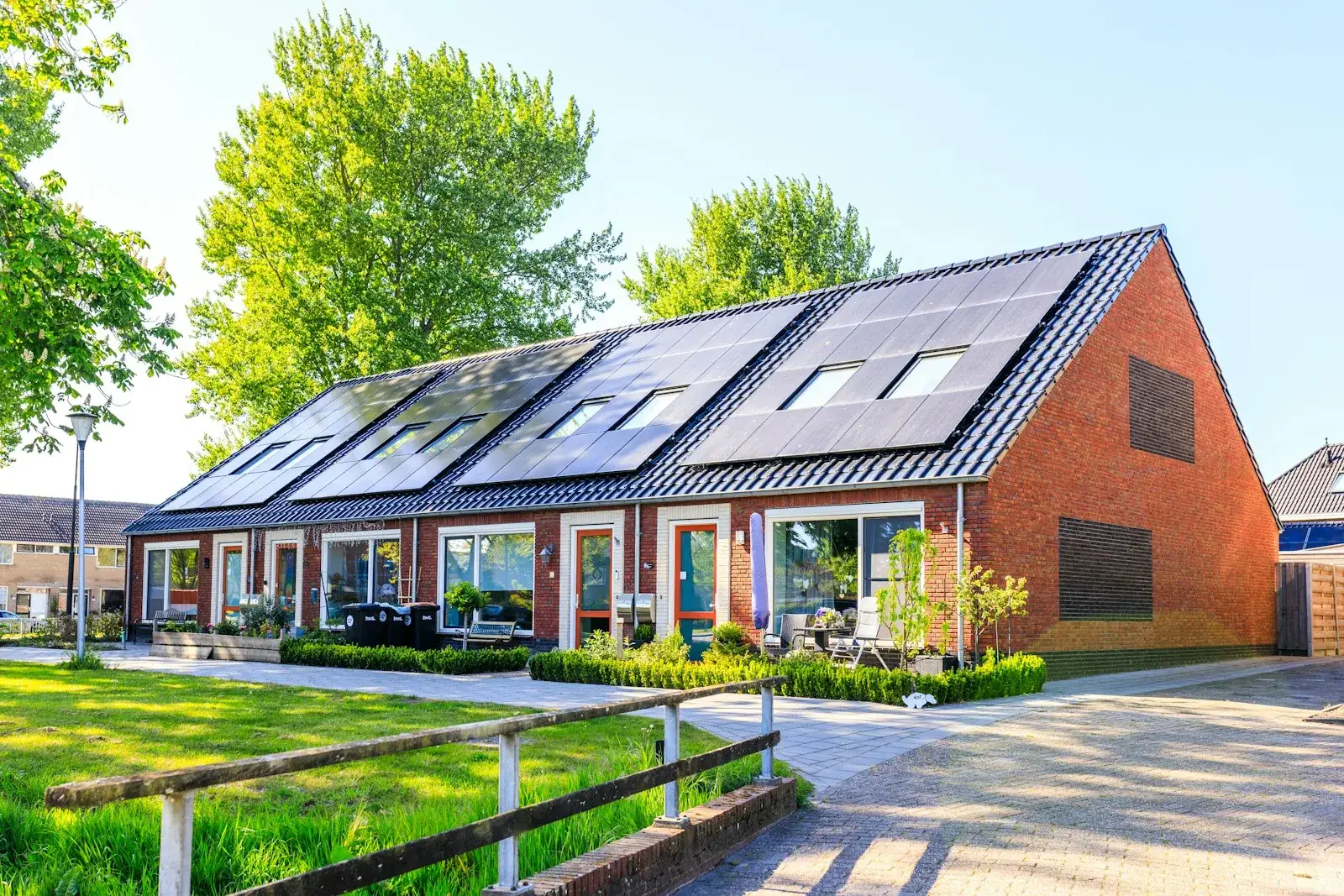
It’s the most common question we get in first studies: “OK, I pay a fee for 15 years, and after that what?”. Good question. And the short answer is: the plant becomes yours. But behind that sentence there are nuances worth understanding before signing.
Here’s what really happens at the end of an AUREQIS solar leasing contract, no fine print or sales-rep ambiguity.
Quick summary
What happens when the final month arrives:
| What happens | What it means | Extra cost |
|---|---|---|
| The plant becomes yours (always) | Customer’s property at contract end | €0 or symbolic nominal fee per contract |
| From there, two paths | Keep and maintain it, or evaluate a renewal | Depends on the path |
From that point, the decision is yours and boils down to two scenarios. No customer ends up without their plant: what you sign on day one is that it will be yours on the final day.
Path 1: Keep the plant and run occasional inspections (the usual)
At the end of the contract, the plant becomes your property at no extra cost (or with a symbolic nominal fee, per the specific contract). This means:
- From that point you pay no monthly fee. The electricity you generate, you enjoy in full.
- Panels carry a 25-30 year manufacturer warranty and keep producing perfectly — typically at 80-85 % of original capacity at that age.
- The inverter will probably have been replaced during the contract (useful life 10-15 years, included in the leasing maintenance).
- Future maintenance: at your own cost or you can contract it separately. It’s very little: occasional cleaning and an annual inspection.
What you’re paying with the leasing fee is basically the plant
- insurance + maintenance + financing cost during the contract. When it ends, the plant is already fully amortised and operational. You keep using it for the next 15-20 years at no cost.
Sample numbers
A residential customer with a 15-year contract:
- Monthly fee: ~€85/month (previous bill: €145/month).
- Total paid over 15 years: €15,300.
- Cumulative electricity savings: ~€21,000 (with rising prices).
- Net balance during the contract: +€5,700 in their pocket.
- From year 16 onward: €0 fee, keeps saving ~€1,700/year for another 10-15 years.
That is: during the leasing you’re already in the positive, and after that it’s free electricity for a decade or more.
Path 2: Evaluate a renewal with more modern technology
The plant stays yours, but sometimes it makes sense to consider whether modernising it is worth it. This is something to evaluate, not mandatory, and we usually raise it ourselves when your case justifies it.
It’s worth considering when:
- Your consumption has grown a lot during the contract (fleet electrification, warehouse expansion, EV, etc.) and the current plant has become small.
- Photovoltaic technology has improved substantially over those 15 years (more efficient panels, cheaper batteries, new inverter features).
- You want to stay on the OPEX model — monthly fee with maintenance and insurance included — instead of managing maintenance yourself.
In that case a new project is drawn up, with the upgraded plant, and another leasing contract is signed if it suits you. The old plant can keep producing (it’s yours), be removed if it doesn’t fit with the expansion, or be transferred as suits the new project. It’s your decision, not a contractual obligation.
The important underlying point: there’s no scenario where you lose the plant. What you paid over 15 years inevitably materialises into an asset of yours.
What the contract says (and is worth reading)
Three contract points worth reviewing before signing:
a) Ownership clause at end of contract
Check that it explicitly says the plant becomes your property upon completion of the term, with no additional cost or a minimum nominal fee (a symbolic euro, for example). It’s standard but it’s worth verifying.
b) Contract transferability
If you sell the property during the contract, what happens? The correct answer: the contract is transferable to the new owner and usually treated as a property improvement that increases sale value. The contract should explicitly allow this.
c) Early termination
If for any reason you need to end the contract early: early termination conditions exist. They usually include a penalty proportional to the remaining time. Verify the percentages.
In one sentence
Solar leasing ends with the plant turned into an asset of yours, already amortised, operating at 85 % of its original capacity and with 10-15 useful years ahead with no monthly cost. It’s one of the cleanest, most finite service contracts on the market.
Still have specific questions about the contract before requesting a study? Request your free study and we’ll show you the full contract draft along with the sizing: read it with your advisor before deciding. No signature until you’re sure.