
EV chargers for company fleets: how to size, finance and write them off
Going electric is the most profitable decision a fleet manager can make today. But success or failure isn't about the cars — it's about the charging points. How to do it right from day one.
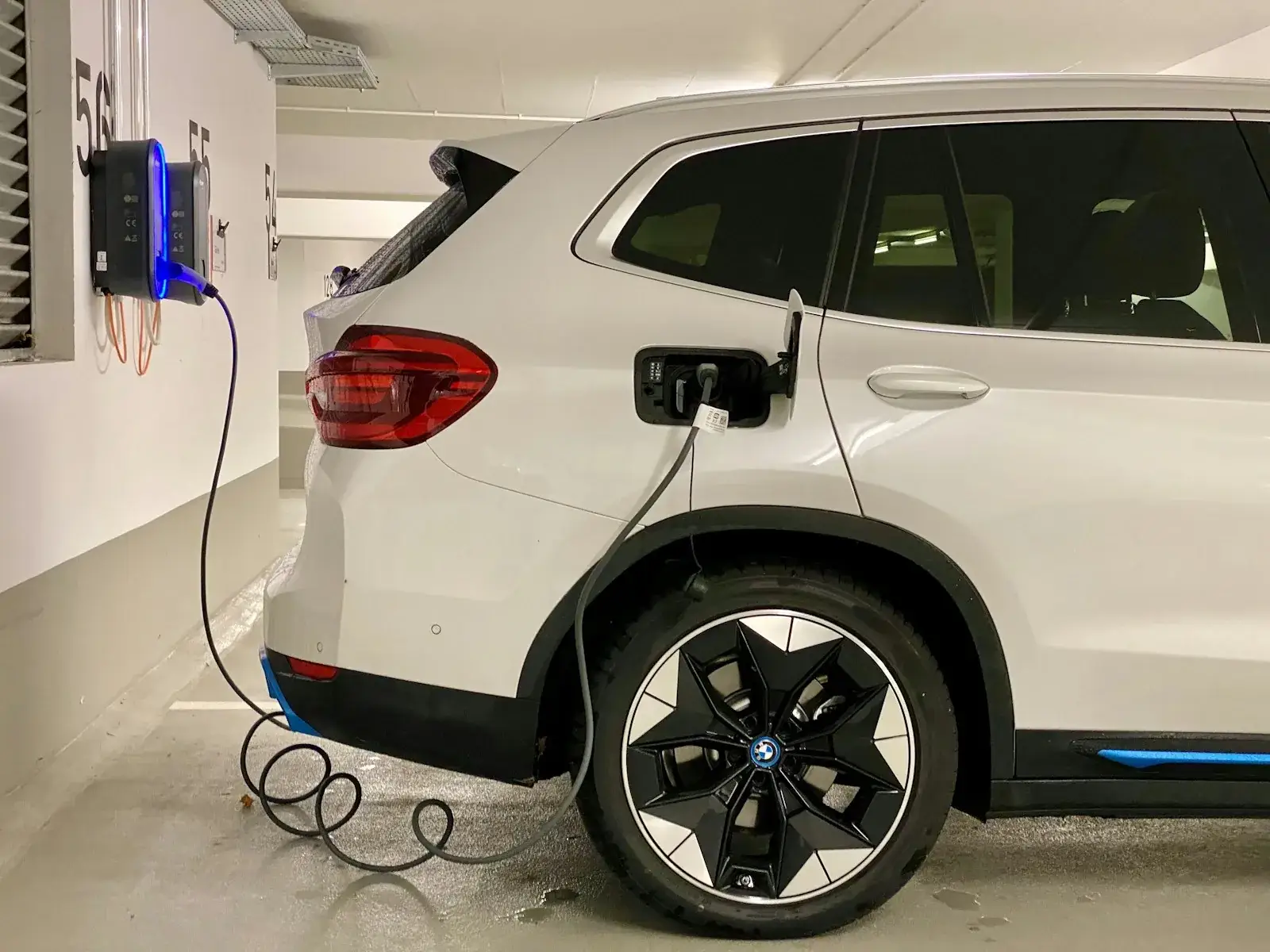
More and more companies have 5, 10, 30 or 100 vehicles transitioning to electric at the same time. And nearly all of them get the same surprise: the car is the easy part. The charging infrastructure is what decides whether it works or turns into an operational nightmare.
This guide is for fleet managers, finance and operations leaders at that exact point. It covers three things: sizing right, finding a way to pay for it without blowing up your balance sheet, and declaring it properly to take advantage of tax deductions and subsidies.
Before buying cars: how many points do you need
The most common mistake is buying the cars first and thinking about charging later. It usually ends with one or two overloaded fast chargers and daily fights between drivers.
Sensible rule for field-sales and service fleets:
| Use case | Points needed |
|---|---|
| Cars that sleep at HQ (most cases) | 1 AC point of 7–11 kW per car |
| Cars rotated between drivers | 1 AC point per 2 cars + 1 DC fast charger |
| Delivery vans that return to the depot | 1 AC point per van |
| Service vehicles that don’t return to HQ | DC fast (50–150 kW) + public-network agreement |
| Heavy EVs (truck, bus) | High-power DC (150–350 kW) dedicated |
Important: AC charging is the cheap one and you’ll use it 95 % of the time. DC is for emergencies or very intensive fleets.
Electrical sizing: the math almost no one gets right
Here’s the typical trap. Add up the rated power of all your points:
10 points × 11 kW = 110 kW simultaneous.
If your premises have 80 kW contracted, it doesn’t fit. And expanding power with the distributor can take 12–24 months and cost five figures.
The solution that actually works is two things combined:
- Dynamic load balancing. The system distributes available power among all points based on how many cars are connected. You never exceed the contracted limit.
- Time scheduling. Most fleet cars charge at night (20:00–7:00). In off-peak hours, with an indexed tariff, the kWh is around €0.05–0.08 and you don’t compete with daytime building loads.
Result: with the same power contract you can go from 3 to 30 points without touching your service. That’s what good electrical design gives you — not an Excel with sums.
Pairing it with solar: the optimal scenario
If the fleet charges on-site during the day (service vehicles that return for lunch, workshops, sales reps with a home base), the marriage with photovoltaic is obvious:
- The sun generates while the cars are plugged in.
- Real cost per kWh charged: €0.03–0.05 (plant amortised in the leasing fee).
- That’s less than €1 per 100 km for an EV (vs. 8–12 € for petrol).
For fleets that only charge at night, the combo isn’t immediate, but batteries + solar do allow you to store daytime production and release it overnight.
How to pay for it: three options
Option 1: Direct purchase
- Pro: asset on the balance sheet, no fees, total flexibility.
- Con: high upfront cost (a properly installed AC point runs €1,500–€3,000, a 60 kW DC charger €15,000–€30,000 installed). Multiply by the number of points.
- For: companies with spare cash and low need for credit lines.
Option 2: Equipment leasing (operating lease)
- Pro: monthly fee 100 % deductible, no upfront cost, no CIRBE.
- Con: at end of contract you renegotiate or exercise a buy option.
- For: most SMEs and mid-size companies. The most popular format today.
Option 3: Charging as a Service (CaaS)
- Pro: fixed fee per vehicle per month, everything included (installation, maintenance, load management, software). Zero hassle.
- Con: typically higher cost per km.
- For: companies that don’t want to be involved in operations.
Subsidies and deductions that applied in 2025
⚠️ Verify with your advisor: the landscape changes every year, this is reference, not a promise.
MOVES Fleets plan (autonomous communities)
- Subsidy per charging point: €800 (AC) up to €100,000 (high-power DC) depending on power and location.
- Subsidy per company EV: variable, typically €2,000–€9,000 per vehicle.
- Managed by your autonomous community: specific calls, limited windows.
15 % deduction on Corporate Tax
For investment in publicly accessible or employee-accessible charging infrastructure, there’s a 15 % deduction in Corporate Tax gross liability (18th Additional Provision of Law 27/2014). Check whether your installation qualifies.
Accelerated depreciation
EVs and charging infrastructure can be depreciated at 2× the maximum coefficient per the tables (article 102 LIS) — favourable taxation for the first years.
Municipal IBI rebate
For public or semi-public charging installations, many town councils rebate IBI between 25 % and 50 % for several years. Check your local ordinance.
The mistake that kills the project: not measuring first
Before quoting anything, measure three things over one month:
- When cars arrive at HQ and when they leave. That’s the real-use schedule profile.
- What your premises consume now at those hours.
- How much power is contracted and what the real peak is (most premises have far more contracted power than they use).
With those three numbers we size the real project, not a theoretical one. And almost always the result is: you can start with half the infrastructure you thought you needed and scale later.
In one sentence
A well-sized electric fleet is the most profitable financial decision a company can make today. A badly-sized one is an operational nightmare. The difference is doing the math before, not after.
Want to see your specific case? Request your free study. What we need: electricity bill, number of planned vehicles and their schedules. In 48 hours we send the dossier with sizing, financing options and subsidies applicable in your autonomous community.