
EV charger power ratings: 7.4 kW, 22 kW or DC fast — which one to pick?
Honest guide to electric vehicle charger powers. When 7.4 kW single-phase makes sense, when to step up to 22 kW three-phase, and when DC fast charging is actually worth it.
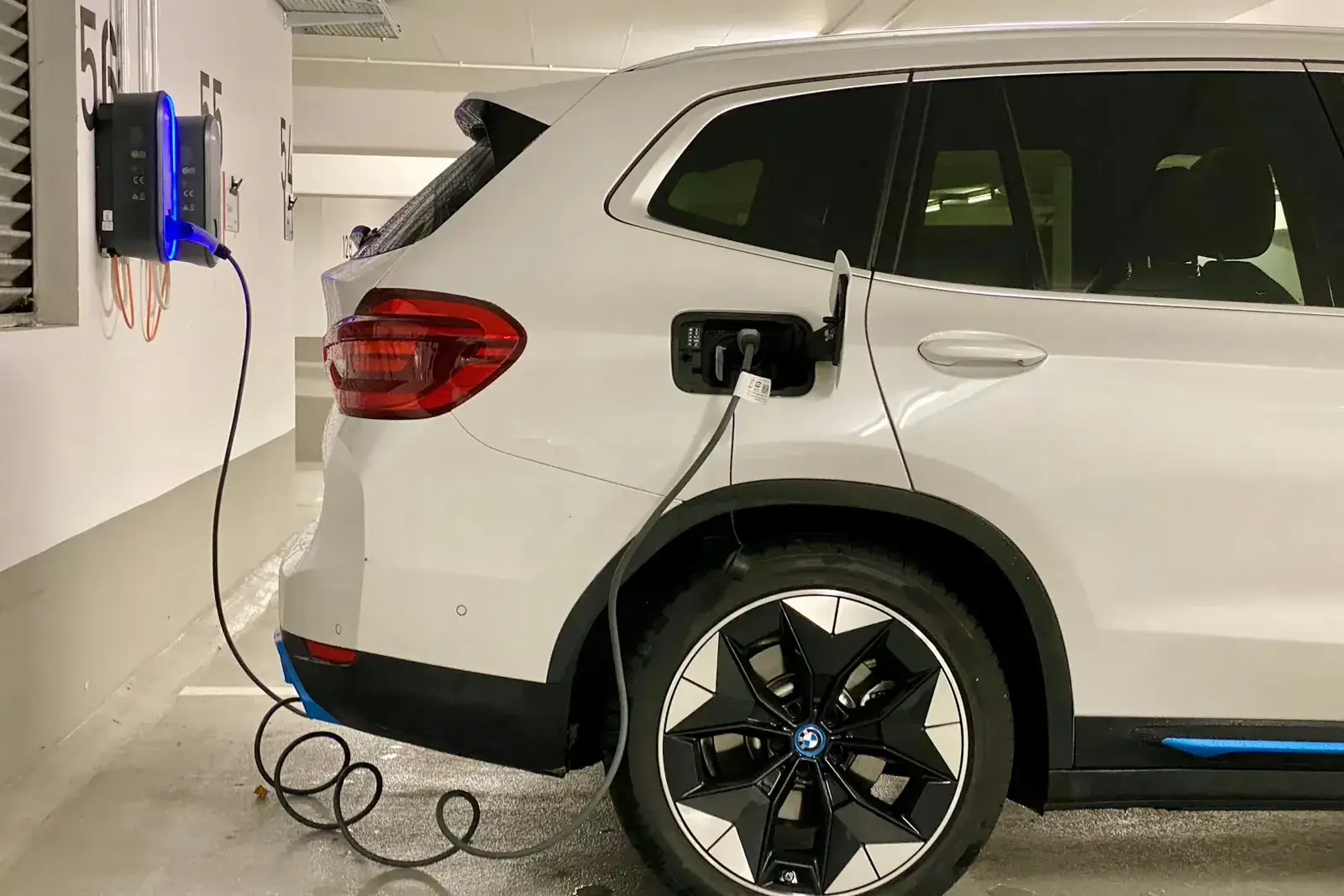
The most common question before installing an EV charger at home or business: how much power do I need? The short answer is that maximum power rarely improves your life — picking the right one for your actual usage pattern does.
What you charge and how long it takes
Each hour plugged in delivers approximately the charger’s nominal power in kWh. For a modern EV with a 60 kWh battery:
| Charger | Power | Time 10–80 % | Typical case |
|---|---|---|---|
| Schuko (normal plug) | ~2.3 kW | 18–20 h | Emergencies only |
| AC single-phase Home | 7.4 kW | 6–7 h | Overnight residential |
| AC three-phase Home | 22 kW | 2 h | Home with rush or small fleet |
| AC public dual | 22 + 22 kW | 2 h per socket | Hotel, parking, municipal |
| DC fast | 30–40 kW | 45–75 min | Restaurant, workshop |
| DC fast high | 60–80 kW | 30–45 min | Fuel station, fleet hub |
Important: actual power depends on the car’s internal charger (many mid-range EVs have only 7.4 or 11 kW AC), and you rarely charge 100 %.
”Normal” home: why 7.4 kW is almost always enough
With standard residential single-phase, max charger is 7.4 kW (32 A). In an 8 h overnight you charge up to 60 kWh — enough for 350–400 km. For 50–80 km/day average use, 2–3 h of charging covers it.
Step up to 22 kW three-phase only if: you already have three-phase, two EVs at home, intensive use, or want futureproofing.
Community and 2 cars: dual-output charger
Dual-socket charger (COMBI+) for 2 cars in parallel or community with double space. Powers: 7.4 + 7.4 kW (single) or 22 + 22 kW (three-phase).
Business: hotel parking, municipal, mall
Decisive factor: how long the car stays plugged in. For 1–4 h stays (hotel, restaurant, mall), you don’t need DC fast. Standard: AC public dual-socket 22 + 22 kW (like VIARIS CITY+). 22 kW × 2 h = 44 kWh per car = significant recharge.
DC fast charging: when you actually need it
DC fast is expensive (€25,000–€50,000 installed). Only makes sense when the customer can’t wait more than 30–90 min:
DC 30–40 kW: roadside restaurant (45–75 min meal), mechanic workshop, dealer courtesy fleet.
DC 60–80 kW: fuel station (20 min detour), fleet hub (continuous rotation), industry with service vehicles.
Three common mistakes
- Installing 22 kW three-phase at home with single-phase grid — verify with the utility before buying
- Buying DC fast for residential use — your car won’t use more than 11 kW internal anyway
- Not planning for growth — better lay conduit on day 1
How we approach it at AUREQIS
In less than 24 h we tell you which charger fits, what to verify in your electrical installation, and price range. The full AUREQIS CHARGE lineup is detailed at EV chargers.
For a proposal, request a free study.